



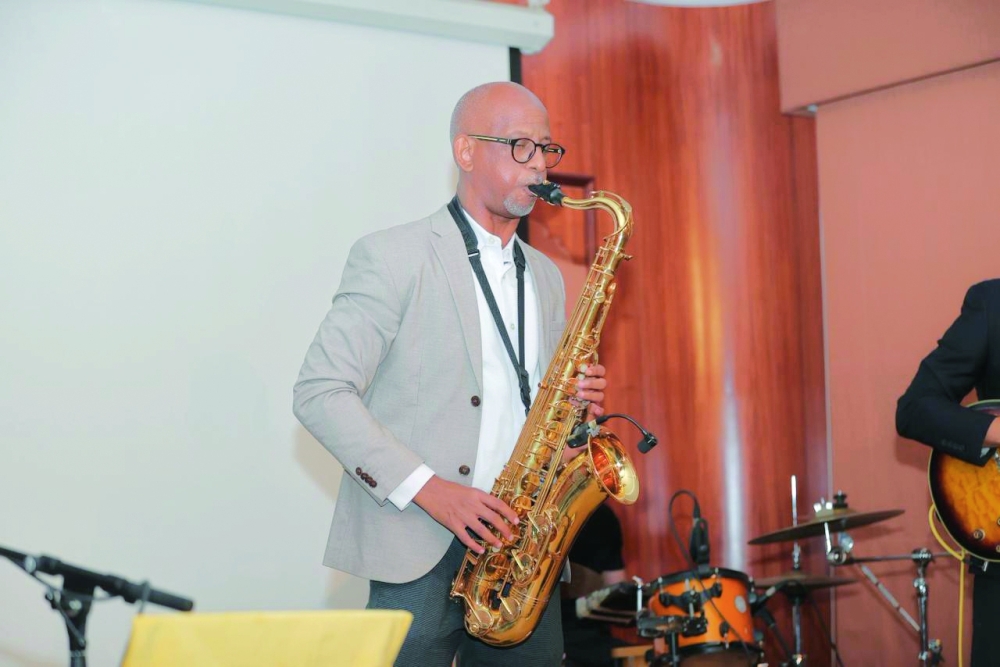





As night settled over Muscat, the stage at the Oman Music Centre seemed to inhale, then exhale music older than borders and younger than the moment itself. It became a meeting point between continents, eras and moods, as Oman marked International Jazz Day 2026 with a performance that carried the language of improvisation into the heart of the capital. Organised by the Ministry of Culture, Sports and Youth, represented by the Directorate General of Arts and the Oman Music Centre, the celebration welcomed music enthusiasts and members of the public for a night dedicated to one of the world’s most borderless art forms.
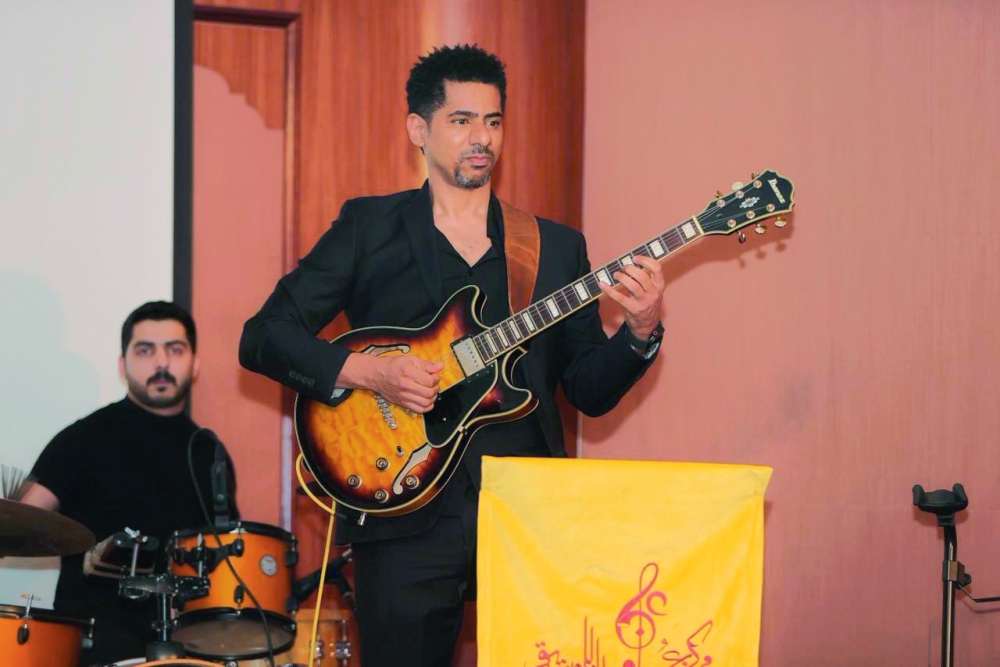
Jazz, long associated with freedom, conversation and reinvention, found a distinctly Omani voice. There was something fitting about hearing these melodies in Muscat, a city shaped for centuries by exchange. Outside, roads hummed and sea air drifted through the evening. Inside, another current moved through the hall, brass tones, brushed rhythms, piano runs and the warm pulse of bass lines that seemed to travel directly through the seats. The programme moved gracefully across styles and generations. Moondance arrived with velvet ease.
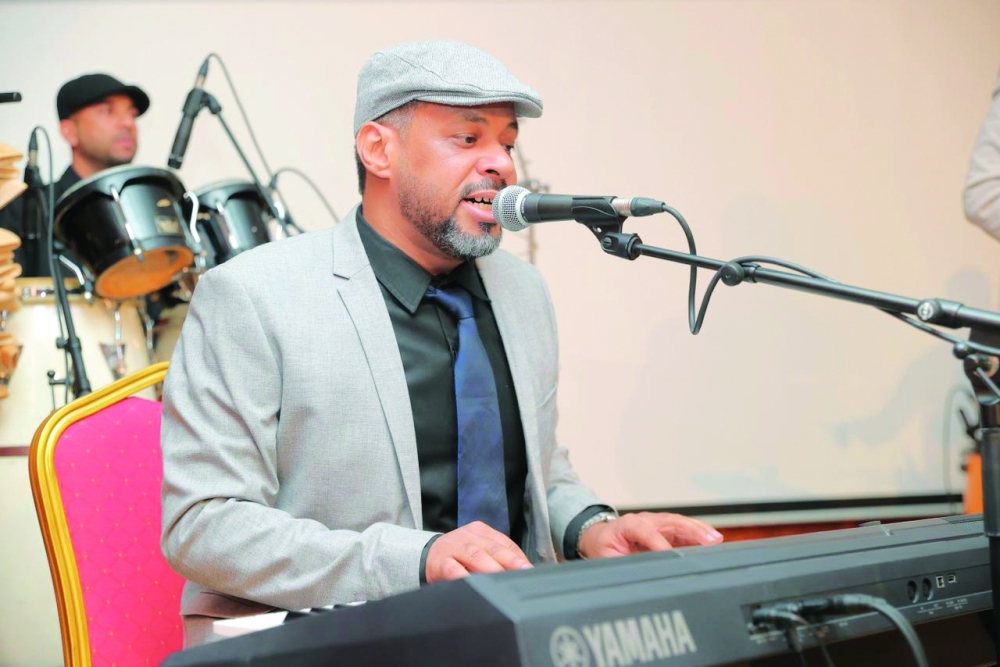
Autumn Leaves carried a wistful elegance. The Girl From Ipanema brought sunlight into the room, while Cantaloupe Island and Watermelon Man added playful grooves that turned heads and tapped feet. When Take Five entered with its famous unusual rhythm, listeners leaned in with recognition. Later came the lift of Fly Me to the Moon and the dazzling complexity of Spain, a finale that seemed to gather every colour of the night into one flourish.
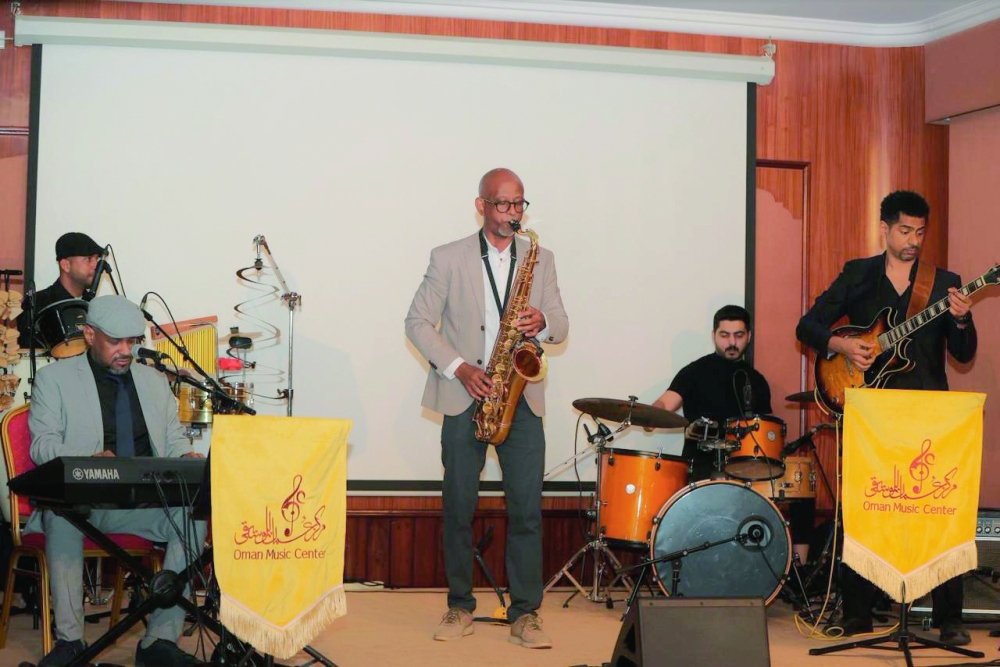
At the centre of it all were the musicians, artists who demonstrated not only technical skill, but trust in one another, the true currency of jazz. Issa al Busaidy, on vocals and keyboard, guided the evening with poise and presence. Khalid al Rahbi’s guitar lines moved between tenderness and fire. Ashraf Dahab Ahmed Khairy’s saxophone gave the room its smoky heartbeat. Mohammed al Balushi on drums drove the momentum with precision and personality, while Mohammed al Raisi on percussion layered texture and movement into every piece.
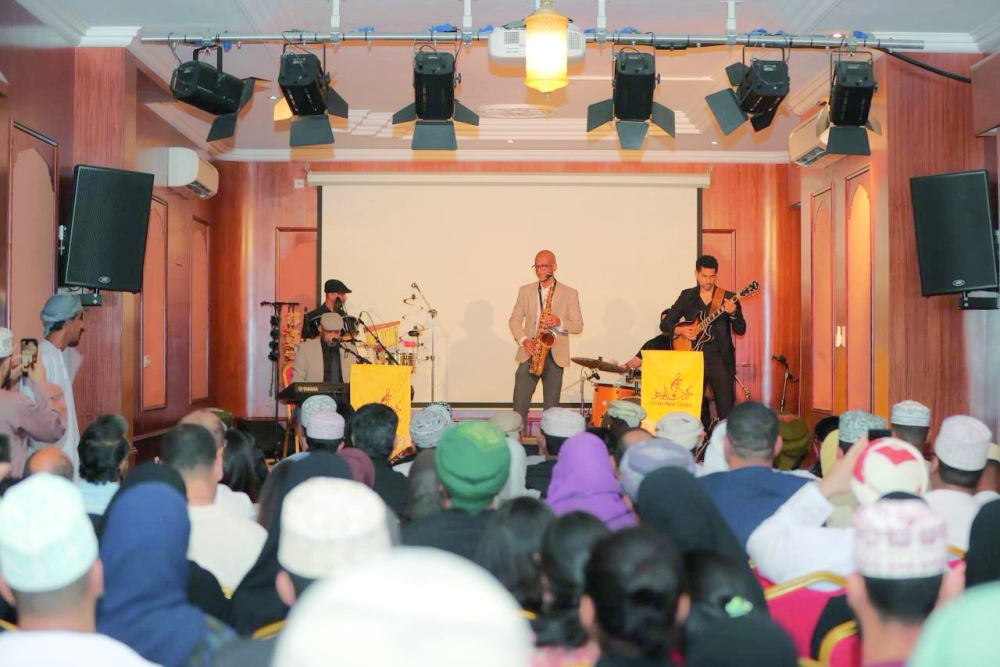
What made the evening memorable was not simply the repertoire, but the spirit behind it. Jazz is built on listening as much as playing. One instrument speaks, another responds. A melody bends, returns, and becomes something new. In that sense, the concert mirrored the purpose of International Jazz Day itself: to celebrate dialogue, creativity and shared humanity. For Oman, the event also signalled something local and forward-looking. It highlighted the growing confidence of national musicians engaging with global forms while preserving their own character.
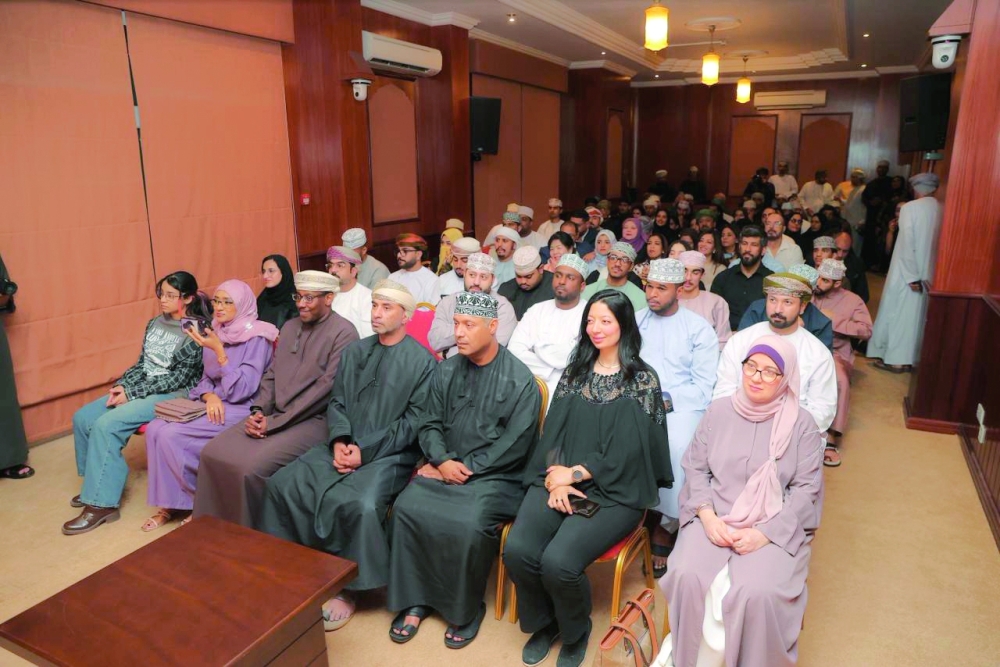
These were not borrowed sounds performed from a distance, but living music interpreted through Omani hands, ears and sensibilities. As the final notes faded and applause filled the theatre, the audience had witnessed more than a concert. They had seen how a global tradition can root itself in local soil and how a nation’s cultural story continues to widen through openness, talent and exchange. For one evening in Muscat, jazz did what it has always done best: it turned strangers into listeners, listeners into a community and rhythm into connection.
Photos by Yahya al Buraiki
Oman Observer is now on the WhatsApp channel. Click here


